Compare Mentra Live with AI Wearables alternatives
First-person capture in your own app. Compare the complete setup, developer access and trade-offs before choosing your first build.
Mentra Live
For mobile developers who need a camera, microphones, physical controls and spoken feedback while their hands are occupied. The useful distinction is documented direct device APIs, not a promise that every firmware layer is open. It has no in-lens display, so instructions must be audible or shown on a separate screen.
Choose Ray-Ban Meta if your priority is a supported consumer capture/assistant experience and its available integrations fit your needs. Consider Frame for a display-led experiment, subject to its own API and hardware limits. A phone on a mount is cheaper to prototype with when wearing the camera adds little value. Mentra is interesting when direct capture and custom app behavior justify the extra hardware and maintenance.
Hardware facts link to manufacturer documentation. Build fit is our editorial assessment. The linked hardware experiments are still unrun; synthetic code checks do not establish accuracy, speed, battery life or reliability on these devices.
Compare the whole build
Choose two products, or add a third. On a small screen, swipe across the table.
| What matters | 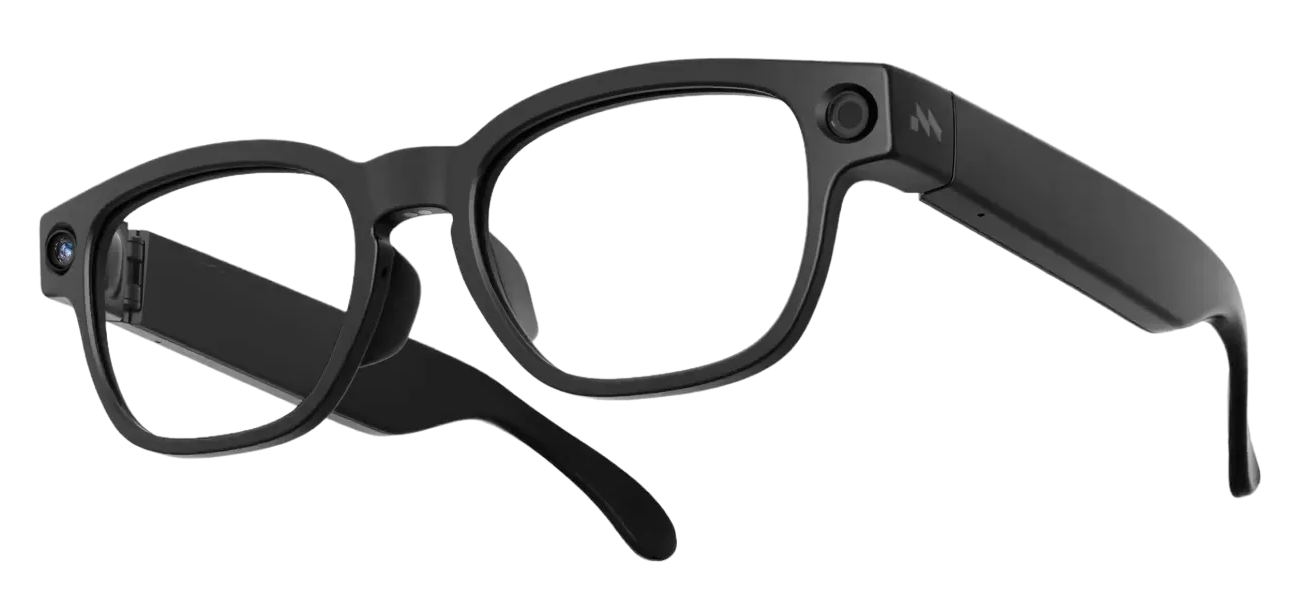 Mentra Live ↗Full specificationsEstimate my cost → | 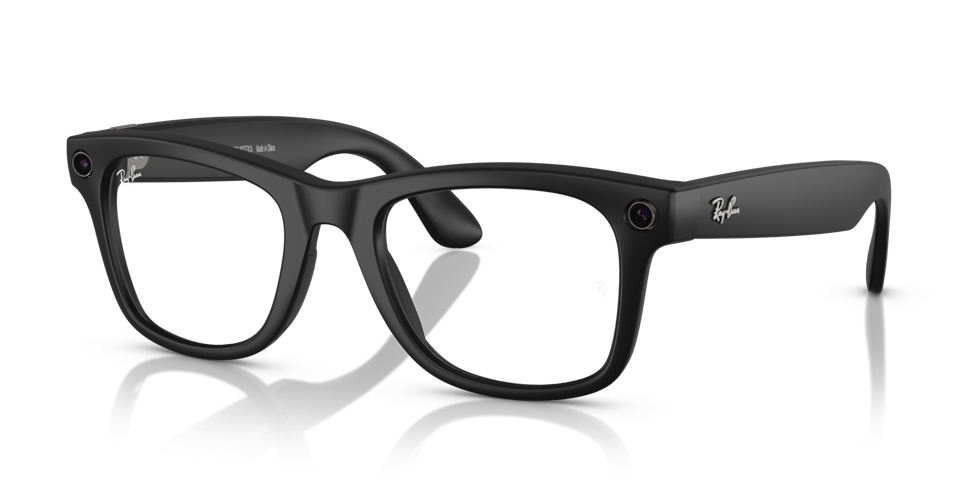 Ray-Ban Meta ↗Full specificationsEstimate my cost → |
|---|---|---|
| Who it suits | For mobile developers who need a camera, microphones, physical controls and spoken feedback while their hands are occupied. The useful distinction is documented direct device APIs, not a promise that every firmware layer is open. It has no in-lens display, so instructions must be audible or shown on a separate screen. | Start here for a first-person workbench camera connected to a phone app. Our proposed build checks framing before saving a still. Choose this route when the useful output is an image or a phone-side cue and you can work within Meta’s device-session and permission model. |
| What you can build first | Start with one button-triggered photo displayed in the official starter app on a physical phone. Success means a fresh image of a printed test card arrives and the app shows a completed capture, not merely a connected Bluetooth status. The starter demonstrates capture; an OCR-and-read-aloud assistant is our proposed extension. Next possibilities: attach a voice note to a repair photo, or stream a controlled workspace to your own endpoint. These require application code and testing. Official starter · Build guide · Unrun test | Proposed first result: a phone photo log that asks the wearer to reframe a target when the captured image is unclear. Start with a printed marker, then explore a workbench checklist or an annotated first-person tutorial. Keep feedback on the phone or through a supported audio path; do not design around a nonexistent glasses display. Capture and framing build |
| Device price | $449 kit | $299 was the starting price at the original Gen 1 launch in 2023. Current exact-model checkout price is unverified: obtain a Gen 1 quote and check condition, lenses and charging case. Do not substitute Gen 2 pricing. Original launch price |
| Other setup costs | Phone, computer, power and connectivity if not already owned. | Use an existing compatible phone and development computer. Confirm that a used purchase includes the charging case and suitable cable; replacement accessories and prescription lenses are extra. No new phone, lenses or replacement parts are included in this example. |
| Subscriptions and usage | $0 paid cloud service for documented local starter. Optional Call and custom APIs extra. | $0 subscription for the included camera/audio/Meta AI features described by Meta. That does not include a third-party model API, backend hosting or app distribution costs. Our proposed phone-side capture/detector prototype budgets no paid cloud inference. Included features and subscription FAQ |
| First-year build budget | $449 + missing supporting equipment + chosen optional usage; conditional subtotal only. | Current Gen 1 hardware quote + any missing accessories + $0 included-service subscription for the local prototype. The old $299 launch figure is a historical reference only, not a current first-year offer. Add your own cloud/hosting budget if the app sends frames to an external model. |
| Price basis and date | USD, official shop, 12 Nov 2026; excludes tax, shipping, electricity and labor. | USD · Original Gen 1 · Checked 5 Nov 2026; $299 is historical, current checkout unverified. |
| Getting started and difficulty | Use the Bluetooth SDK quick start and a physical phone. Choose the native Android/iOS or React Native example, install the required development tools, grant documented device permissions, pair the glasses, then use the Camera example without a separate server. Keep SDK and glasses software on a matching documented release. React Native needs a native development/production build; Expo Go is insufficient. The shop specifies iOS 15.1+ and Android 12+, while the SDK lists its own lower-level platform minimums. Plan against both the device/app requirements and your chosen SDK rather than assuming a low Android API minimum guarantees the retail experience. Building your own app requires mobile permissions, signing/build tooling and handling disconnects; it is not just a browser script. | First run the official Android Camera Access sample and complete device registration and camera permission. Verify that one captured still reaches the phone before adding recognition. The pinned sample documents session, preview and capture controls; SDK/firmware/account compatibility remains a prerequisite. Expect Android development and asynchronous device lifecycle work. Official sample |
| Capture and feedback | Photo/audio/buttons → phone app → optional spoken feedback | Camera and microphones capture the wearer’s surroundings; open-ear speakers provide audio. The companion app can show camera preview and captures. This Gen 1 profile covers camera glasses without a display. Original hardware |
| AI location and data flow | Proposed OCR/AI on phone or selected server; capture on glasses. | The glasses capture media; our proposed detector runs in the companion-phone application. A cloud model is an additional application choice. Device Access Toolkit access does not mean your application can replace or program the built-in Meta AI assistant. Camera sample |
| Setup, accounts and services | Glasses/case/cable plus compatible phone, development computer and power. | Original Gen 1 glasses, charging case, compatible phone, Meta AI app and developer app registration. The linked build follows Android DAT 1.0.1. Check current firmware requirements and developer-preview release-channel rules before sharing an app. Developer access |
| What developers can control | Kotlin/Swift/React Native examples; coordinated firmware/SDK, native builds required. | Build a companion app around permitted camera streaming and photo capture. Start with the official sample, then add image analysis. This is a mobile-development project; firmware replacement and a custom in-lens interface are outside this route. |
| Wear, power and availability | Battery wearable; US retail only, delivery estimates are not guarantees. | Wearable camera glasses with a charging case. Camera streaming, audio and phone processing have different demands from occasional photos. Measure a sustained session on the exact original model; newer-generation battery claims do not apply. |
| First end-to-end test | Receive one photo, repeat after screen lock and reconnect. | Use a printed target on a bench. Count failed captures as well as cropped or unreadable images. Measure delay, test permission denial and disconnects, and confirm recording stops when the session ends. Start with microphone capture disabled. |
| When to choose another route | Choose Ray-Ban Meta if your priority is a supported consumer capture/assistant experience and its available integrations fit your needs. Consider Frame for a display-led experiment, subject to its own API and hardware limits. A phone on a mount is cheaper to prototype with when wearing the camera adds little value. Mentra is interesting when direct capture and custom app behavior justify the extra hardware and maintenance. | Choose Frame when you need to draw your own text in the wearer’s view. The original 2023 Ray-Ban Meta profiled here has no in-lens display. Choose a voice pendant if the job is mainly recording conversations. Newer Meta models have different capabilities. |
| Proposed build | Receive one photo before building an assistant → | Prototype a first-person bench camera → |
Start where you can build
Frame exposes a programmable display. Meta supplies camera access to a companion app. Plaud and Omi offer different routes into recorded conversations. Oura exposes synchronized account records. Access to one layer does not grant access to firmware or the maker’s built-in assistant.
Budget beyond the device
Check phone compatibility, account eligibility, subscriptions, developer-preview terms and any AI-provider costs. Confirm original-model stock and support before buying. Newer generations can have different hardware and SDK support.
Follow one piece of data
Trace a capture through transfer, processing, your interface and deletion. Test a disconnect and a stale result. Keep bystander consent, third-party services and exported copies visible in your design. Start with fictional conversations and labels; use invented sensor records before connecting personal data.