Compare Bangle.js 2 with AI Wearables alternatives
Wear a custom gesture controller. Compare the complete setup, developer access and trade-offs before choosing your first build.
Bangle.js 2
An enclosed watch with screen, battery and JavaScript apps; deploy an int8 gesture model.
Use a packaged health wearable for health services, or a sensor development board for bench experiments.
Hardware facts link to manufacturer documentation. Build fit is our editorial assessment. The linked hardware experiments are still unrun; synthetic code checks do not establish accuracy, speed, battery life or reliability on these devices.
Compare the whole build
Choose two products, or add a third. On a small screen, swipe across the table.
| What matters | 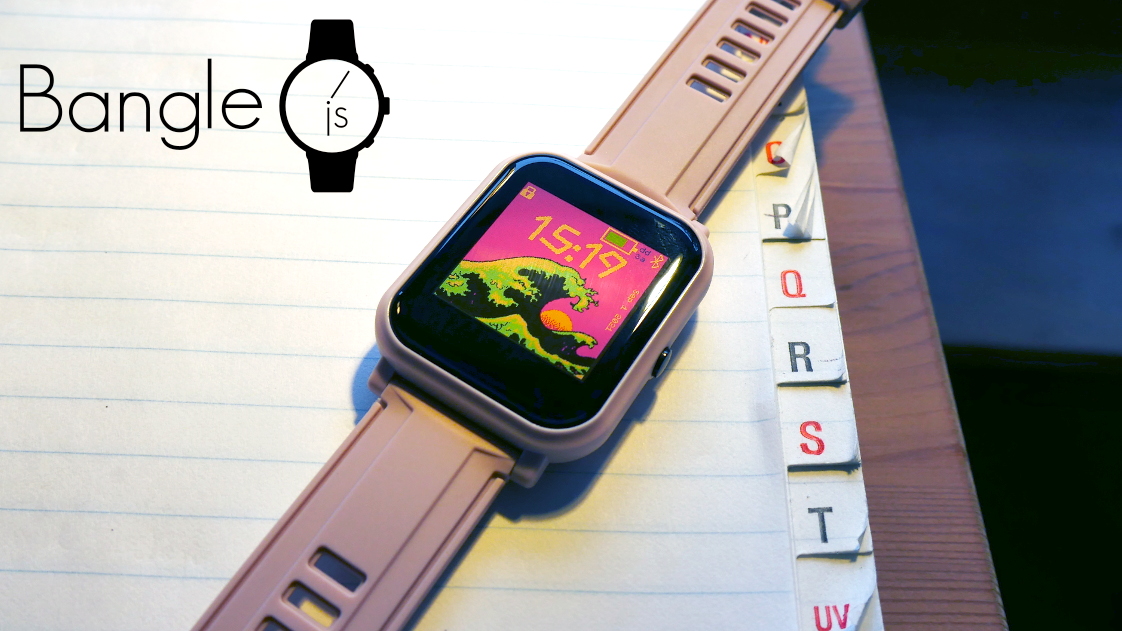 Bangle.js 2 ↗Full specificationsEstimate my cost → | 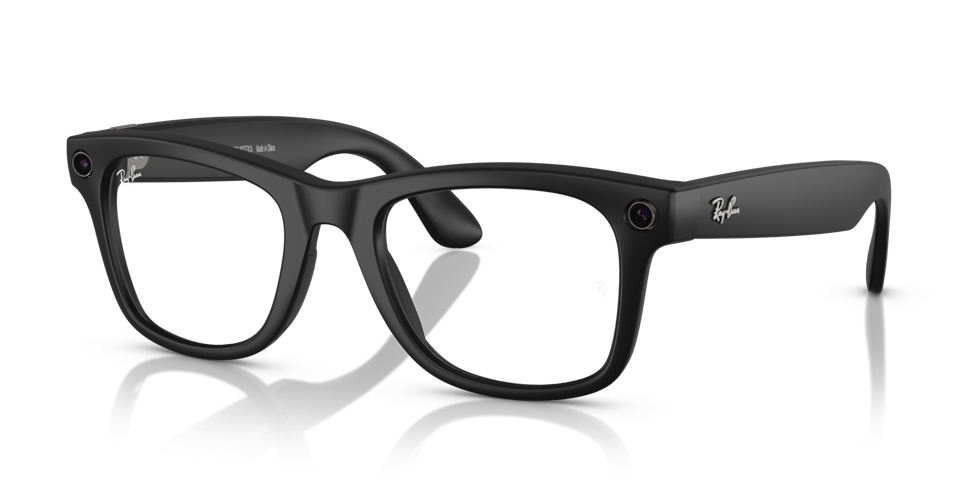 Ray-Ban Meta ↗Full specificationsEstimate my cost → |
|---|---|---|
| Who it suits | An enclosed watch with screen, battery and JavaScript apps; deploy an int8 gesture model. | Start here for a first-person workbench camera connected to a phone app. Our proposed build checks framing before saving a still. Choose this route when the useful output is an image or a phone-side cue and you can work within Meta’s device-session and permission model. |
| What you can build first | First connect through the official Web IDE and verify that a short JavaScript message appears. Then follow the official Gesture Test/Edge Impulse tutorial to collect left/right movements, train an int8 model (8-bit quantization reduces its memory footprint), upload .tfmodel AND .tfnames, and display the resulting aiGesture label. Our proposed extension maps one label to a timer or short vibration after the official label display works. Build guide · Official tutorial | Proposed first result: a phone photo log that asks the wearer to reframe a target when the captured image is unclear. Start with a printed marker, then explore a workbench checklist or an annotated first-person tutorial. Keep feedback on the phone or through a supported audio path; do not design around a nonexistent glasses display. Capture and framing build |
| Device price | £99.60 displayed; £83.00 ex tax; availability 237. | $299 was the starting price at the original Gen 1 launch in 2023. Current exact-model checkout price is unverified: obtain a Gen 1 quote and check condition, lenses and charging case. Do not substitute Gen 2 pricing. Original launch price |
| Other setup costs | Computer/BLE and USB power reused; a new item requires a GBP quote. Charge cable supplied. | Use an existing compatible phone and development computer. Confirm that a used purchase includes the charging case and suitable cable; replacement accessories and prescription lenses are extra. No new phone, lenses or replacement parts are included in this example. |
| Subscriptions and usage | £0 assumed within Developer training tier; £0 local inference; no required watch subscription. | $0 subscription for the included camera/audio/Meta AI features described by Meta. That does not include a third-party model API, backend hosting or app distribution costs. Our proposed phone-side capture/detector prototype budgets no paid cloud inference. Included features and subscription FAQ |
| First-year build budget | Conditional £99.60 incremental subtotal with reused equipment; checkout tax treatment, shipping/imports, electricity and labour excluded. | Current Gen 1 hardware quote + any missing accessories + $0 included-service subscription for the local prototype. The old $299 launch figure is a historical reference only, not a current first-year offer. Add your own cloud/hosting budget if the app sends frames to an external model. |
| Price basis and date | 17 Nov 2026; Espruino UK listing. Quote | USD · Original Gen 1 · Checked 5 Nov 2026; $299 is historical, current checkout unverified. |
| Getting started and difficulty | You need a BLE-capable computer, a supported Web Bluetooth browser such as Chrome or Edge, JavaScript, an Edge Impulse account and an internet connection during training. Python is useful for splitting recorded CSV samples, but the tutorial also allows manual splitting. Begin with a simple screen output, then collect balanced examples, check held-out samples, and keep collection/test code in RAM as the official tutorial instructs. Model export compatibility, label order and available working memory are the main obstacles. We have not timed this workflow. Tutorial prerequisites and steps | First run the official Android Camera Access sample and complete device registration and camera permission. Verify that one captured still reaches the phone before adding recognition. The pinned sample documents session, preview and capture controls; SDK/firmware/account compatibility remains a prerequisite. Expect Android development and asynchronous device lifecycle work. Official sample |
| Capture and feedback | KX022 motion → captured gesture → model label → screen/vibration; optional BLE label output. | Camera and microphones capture the wearer’s surroundings; open-ear speakers provide audio. The companion app can show camera preview and captures. This Gen 1 profile covers camera glasses without a display. Original hardware |
| AI location and data flow | Inference on nRF52840 Cortex-M4; CSV training samples go to Edge Impulse cloud via a computer. | The glasses capture media; our proposed detector runs in the companion-phone application. A cloud model is an additional application choice. Device Access Toolkit access does not mean your application can replace or program the built-in Meta AI assistant. Camera sample |
| Setup, accounts and services | Exact BANGLEJS2; supplied charge cable; existing BLE computer/browser and USB power source. | Original Gen 1 glasses, charging case, compatible phone, Meta AI app and developer app registration. The linked build follows Android DAT 1.0.1. Check current firmware requirements and developer-preview release-channel rules before sharing an app. Developer access |
| What developers can control | Official int8 TensorFlow Lite tutorial, .tfmodel + .tfnames; JavaScript apps and MPL-2.0 firmware source. | Build a companion app around permitted camera streaming and photo capture. Start with the official sample, then add image analysis. This is a mobile-development project; firmware replacement and a custom in-lens interface are outside this route. |
| Wear, power and availability | 175 mAh internal battery; four weeks is manufacturer standby only. Recognition endurance untested. | Wearable camera glasses with a charging case. Camera streaming, audio and phone processing have different demands from occasional photos. Measure a sustained session on the exact original model; newer-generation battery claims do not apply. |
| First end-to-end test | Show one label with aiGesture, then test a fresh session and non-gesture controls. | Use a printed target on a bench. Count failed captures as well as cropped or unreadable images. Measure delay, test permission denial and disconnects, and confirm recording stops when the session ends. Start with microphone capture disabled. |
| When to choose another route | Use a packaged health wearable for health services, or a sensor development board for bench experiments. | Choose Frame when you need to draw your own text in the wearer’s view. The original 2023 Ray-Ban Meta profiled here has no in-lens display. Choose a voice pendant if the job is mainly recording conversations. Newer Meta models have different capabilities. |
| Proposed build | Teach a wrist gesture and display its label → | Prototype a first-person bench camera → |
Start where you can build
Frame exposes a programmable display. Meta supplies camera access to a companion app. Plaud and Omi offer different routes into recorded conversations. Oura exposes synchronized account records. Access to one layer does not grant access to firmware or the maker’s built-in assistant.
Budget beyond the device
Check phone compatibility, account eligibility, subscriptions, developer-preview terms and any AI-provider costs. Confirm original-model stock and support before buying. Newer generations can have different hardware and SDK support.
Follow one piece of data
Trace a capture through transfer, processing, your interface and deletion. Test a disconnect and a stale result. Keep bystander consent, third-party services and exported copies visible in your design. Start with fictional conversations and labels; use invented sensor records before connecting personal data.