Compare Plaud One with AI Wearables alternatives
Review a room or call recording after a coverage gap. Compare the complete setup, developer access and trade-offs before choosing your first build.
Plaud One
Pair a cellular tabletop recorder with earbuds for calls; inspect the resulting transcript later.
Choose NotePin for wearable in-person capture. For fully offline transcription, choose a system that runs the model locally.
Hardware facts link to manufacturer documentation. Build fit is our editorial assessment. The linked hardware experiments are still unrun; synthetic code checks do not establish accuracy, speed, battery life or reliability on these devices.
Compare the whole build
Choose two products, or add a third. On a small screen, swipe across the table.
| What matters | 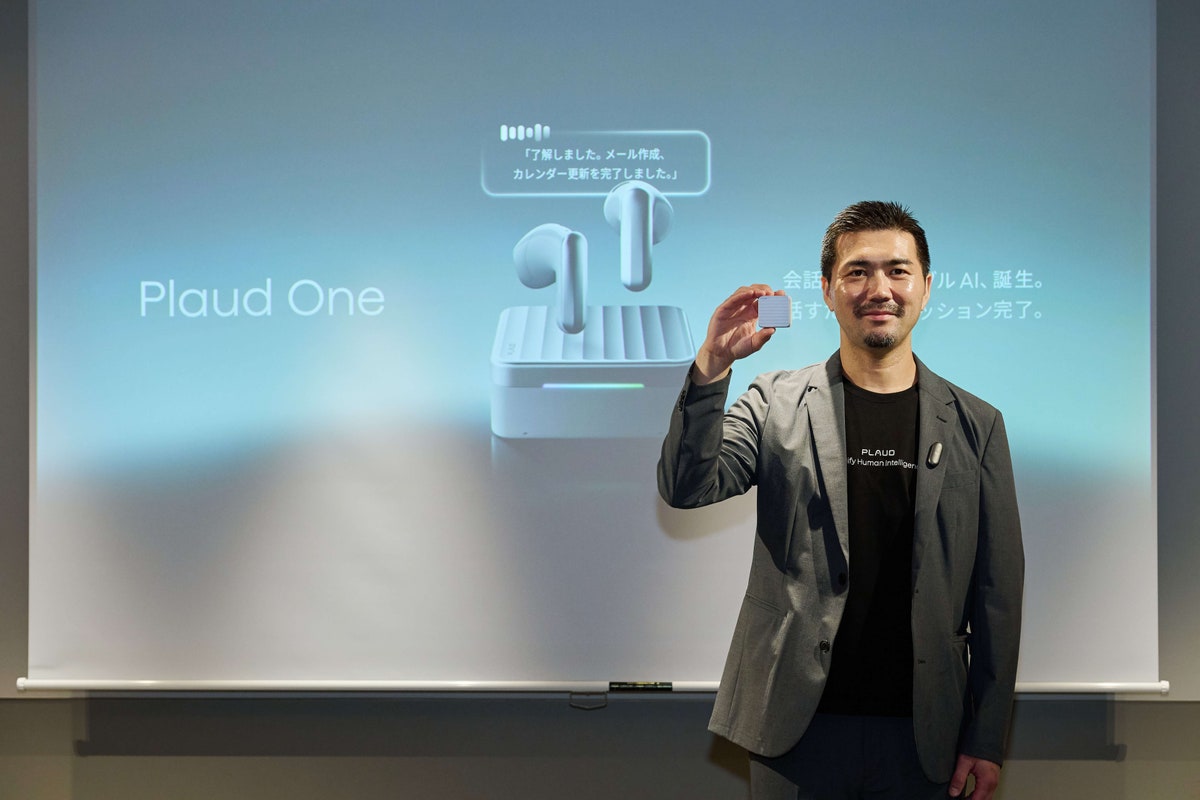 Plaud One ↗Full specificationsEstimate my cost → | 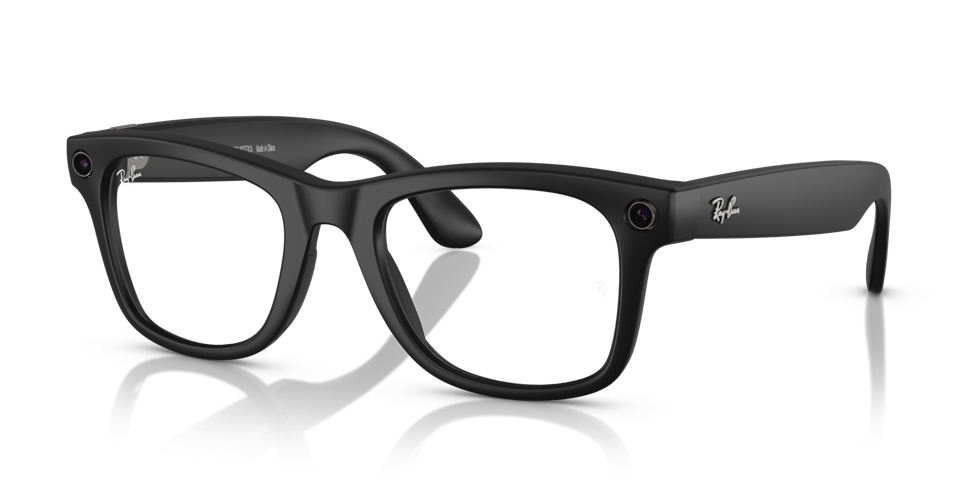 Ray-Ban Meta ↗Full specificationsEstimate my cost → |
|---|---|---|
| Who it suits | Pair a cellular tabletop recorder with earbuds for calls; inspect the resulting transcript later. | Start here for a first-person workbench camera connected to a phone app. Our proposed build checks framing before saving a still. Choose this route when the useful output is an image or a phone-side cue and you can work within Meta’s device-session and permission model. |
| What you can build first | After setup, read a short mock meeting note into the case, including a name, a number and a due date. Check the saved audio, transcript and summary against those words in the mobile app. This is an observable first result, with no agent workflow or connected work account required. First recording · Recording controls | Proposed first result: a phone photo log that asks the wearer to reframe a target when the captured image is unclear. Start with a printed marker, then explore a workbench checklist or an annotated first-person tutorial. Keep feedback on the phone or through a supported audio path; do not design around a nonexistent glasses display. Capture and framing build |
| Device price | US$229 US preorder for Plaud One; first-run Explorer credit bundle unconfirmed for this offer. | $299 was the starting price at the original Gen 1 launch in 2023. Current exact-model checkout price is unverified: obtain a Gen 1 quote and check condition, lenses and charging case. Do not substitute Gen 2 pricing. Original launch price |
| Other setup costs | Compatible phone, USB-C cable and adapter assumed owned. Enter quotes for missing items. | Use an existing compatible phone and development computer. Confirm that a used purchase includes the charging case and suitable cable; replacement accessories and prescription lenses are extra. No new phone, lenses or replacement parts are included in this example. |
| Subscriptions and usage | Starter includes 300 transcription minutes each month. No separate LTE plan under current terms. Optional paid plans and agent credits have separate pricing. | $0 subscription for the included camera/audio/Meta AI features described by Meta. That does not include a third-party model API, backend hosting or app distribution costs. Our proposed phone-side capture/detector prototype budgets no paid cloud inference. Included features and subscription FAQ |
| First-year build budget | US$229 conditional Starter total; US$328.99 with optional annual Pro at $99.99, under the same equipment assumptions. Tax, delivery and electricity excluded. | Current Gen 1 hardware quote + any missing accessories + $0 included-service subscription for the local prototype. The old $299 launch figure is a historical reference only, not a current first-year offer. Add your own cloud/hosting budget if the app sends frames to an external model. |
| Price basis and date | US Plaud store and shipping terms, 20 Nov 2026. Shipping starts in December; delivery and quantity unverified. | USD · Original Gen 1 · Checked 5 Nov 2026; $299 is historical, current checkout unverified. |
| Getting started and difficulty | Use a compatible iOS 18+ or Android 9+ phone and the Plaud Mobile App v4.0.x or later. Sign in, place both buds in the open case, bind the correct serial number, and verify recording and cloud-sync settings before your first clip. Pairing, mobile account access, charging equipment and coverage are the main setup dependencies. Binding steps · Phone requirements | First run the official Android Camera Access sample and complete device registration and camera permission. Verify that one captured still reaches the phone before adding recognition. The pinned sample documents session, preview and capture controls; SDK/firmware/account compatibility remains a prerequisite. Expect Android development and asynchronous device lifecycle work. Official sample |
| Capture and feedback | Room audio or earbud call audio → cloud transcript and summary. Light and vibrations confirm recording mode and state. | Camera and microphones capture the wearer’s surroundings; open-ear speakers provide audio. The companion app can show camera preview and captures. This Gen 1 profile covers camera glasses without a display. Original hardware |
| AI location and data flow | Local audio capture and buffering in the case; transcription and summary on Plaud servers. | The glasses capture media; our proposed detector runs in the companion-phone application. A cloud model is an additional application choice. Device Access Toolkit access does not mean your application can replace or program the built-in Meta AI assistant. Camera sample |
| Setup, accounts and services | Two earbuds and case. Bring a compatible smartphone, Plaud account, USB-C cable and adapter. | Original Gen 1 glasses, charging case, compatible phone, Meta AI app and developer app registration. The linked build follows Android DAT 1.0.1. Check current firmware requirements and developer-preview release-channel rules before sharing an app. Developer access |
| What developers can control | Supported app settings and account-based Skills or connectors; availability and credits depend on the workflow. Custom on-device inference unverified. | Build a companion app around permitted camera streaming and photo capture. Start with the official sample, then add image analysis. This is a mobile-development project; firmware replacement and a custom in-lens interface are outside this route. |
| Wear, power and availability | USB-C charging, 5 V/1 A or higher adapter. LTE coverage and case charge affect independent use. | Wearable camera glasses with a charging case. Camera streaming, audio and phone processing have different demands from occasional photos. Measure a sustained session on the exact original model; newer-generation battery claims do not apply. |
| First end-to-end test | Compare a recorded phrase and timestamp against the cloud copy after reconnecting without phone transfer. | Use a printed target on a bench. Count failed captures as well as cropped or unreadable images. Measure delay, test permission denial and disconnects, and confirm recording stops when the session ends. Start with microphone capture disabled. |
| When to choose another route | Choose NotePin for wearable in-person capture. For fully offline transcription, choose a system that runs the model locally. | Choose Frame when you need to draw your own text in the wearer’s view. The original 2023 Ray-Ban Meta profiled here has no in-lens display. Choose a voice pendant if the job is mainly recording conversations. Newer Meta models have different capabilities. |
| Proposed build | Make and check your first Plaud One room recording → | Prototype a first-person bench camera → |
Start where you can build
Frame exposes a programmable display. Meta supplies camera access to a companion app. Plaud and Omi offer different routes into recorded conversations. Oura exposes synchronized account records. Access to one layer does not grant access to firmware or the maker’s built-in assistant.
Budget beyond the device
Check phone compatibility, account eligibility, subscriptions, developer-preview terms and any AI-provider costs. Confirm original-model stock and support before buying. Newer generations can have different hardware and SDK support.
Follow one piece of data
Trace a capture through transfer, processing, your interface and deletion. Test a disconnect and a stale result. Keep bystander consent, third-party services and exported copies visible in your design. Start with fictional conversations and labels; use invented sensor records before connecting personal data.