Build a weekly reflection journal from ring data
Proposed build · Import daily sleep scores, preserve missing days and make every generated observation traceable.
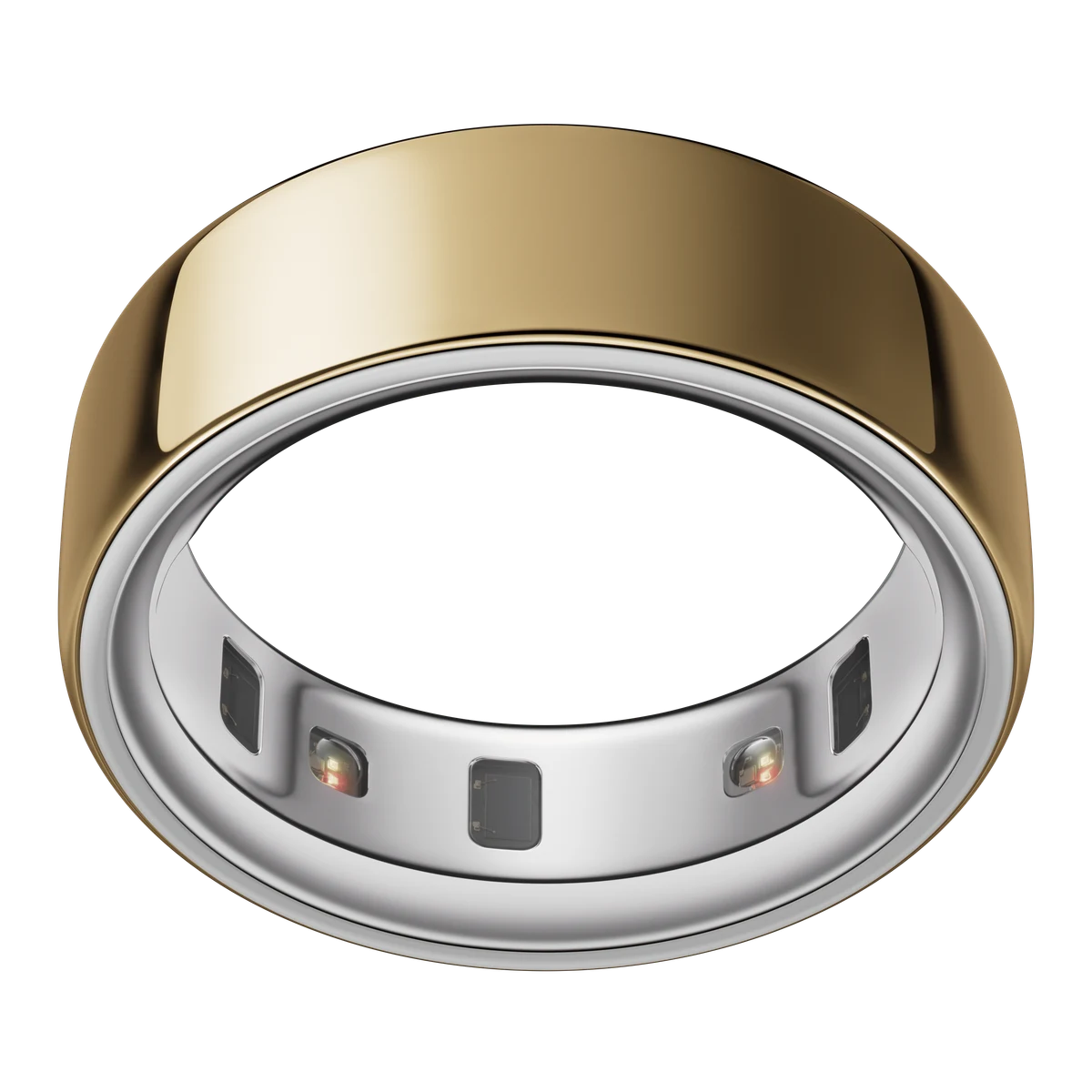
Device profile · Oura Ring 4 ↗This is a proposed workflow. Follow the linked official setup, then use the checks below to decide whether it works on your hardware.
Prerequisites and boundary
Intermediate web project. Use an Oura Ring 4, a compatible phone with the Oura app, an account with the required active membership, and a private backend. Register an OAuth application. This is a proposed integration; no credentials have been created and no account data was accessed by this lab. The first version is a score journal, not a clinical tool.
1. Authorize only the daily scope
Use a maintained OAuth client library with authorization-code flow, a random session-bound state and PKCE. Set scope=daily explicitly; omitting scope can request all scopes. Validate state before exchanging the code. Keep the client secret and tokens on the server. Persist each new refresh token atomically, since the previous refresh token is single-use. Use the returned expires_in rather than hard-coding a lifetime. OAuth documentation
2. Fetch a bounded window
The sample uses the documented daily_sleep endpoint with day and score fields. Pass ISO dates for the desired interval. Follow pagination, retain null values and deduplicate on the day. Treat an HTTP error as a failed import, not an empty week. A production integration needs token refresh, retry/backoff and storage around this small client. Daily sleep route
import os
import requests

# Run on your backend after completing OAuth2 with the daily scope.
# This reads existing account data; it does not initiate a ring sync.
def daily_scores(start_day, end_day):
    params = {"start_date": start_day, "end_date": end_day,
              "fields": "day,score"}
    rows = {}
    seen_tokens = set()
    while True:
        response = requests.get(
            "https://api.ouraring.com/v2/usercollection/daily_sleep",
            headers={"Authorization": "Bearer " + os.environ["OURA_ACCESS_TOKEN"],
                     "User-Agent": "PersonalReflection/0.1"},
            params=params, timeout=20)
        response.raise_for_status()
        payload = response.json()
        for item in payload.get("data", []):
            day, score = item.get("day"), item.get("score")
            if day is not None:
                rows[day] = score  # preserve null; do not coerce it to zero
        token = payload.get("next_token")
        if not token:
            return rows
        if token in seen_tokens:
            raise RuntimeError("Repeated pagination token")
        seen_tokens.add(token)
        params["next_token"] = token
3. Build the evidence card before writing a story
For each requested calendar day, show the returned score, null or “no record yet.” Keep those last two states distinct. Show the requested interval, retrieved-at timestamp and number of days with a numeric score. If two days are absent, calculate descriptive statistics only over the available days and label the denominator. Add the wearer’s routine notes as a separate source with their own timestamps.
4. Add an optional constrained reflection
First produce deterministic facts such as “5 of 7 requested days have a score.” If the owner enables AI, send only the reviewed evidence card to their chosen model and request one neutral reflection question plus the dates it used. Reject invented values, cause-and-effect claims and health prescriptions; keep the original table visible. For example, ask whether the wearer wants to annotate the two missing days rather than treating those days as poor sleep.
5. Keep the journal current
After the initial import, a later version can subscribe to documented webhook changes and retrieve the referenced object. Validate webhook signatures before enqueueing work, handle duplicate notifications and update records by identity. The first version can use an explicit Refresh action; tell the wearer to sync the ring in Oura before expecting new sleep records. API lifecycle and webhooks
What remains to validate
No live API request, physical ring run or AI-provider call was performed for this guide. The candidate implementation must demonstrate that authorization, pagination, missing days and disconnect behavior work with an actual account. Run the acceptance plan
Synthetic client check
The Python fetch loop was executed against invented two-page responses. It preserved a null score, deduplicated a repeated day, stopped on a repeated pagination token and surfaced an HTTP error. This checks client bookkeeping only. OAuth, real API responses, synchronization and any AI output remain untested.